Budgeting for Electric Motor Repairs A Comprehensive Guide
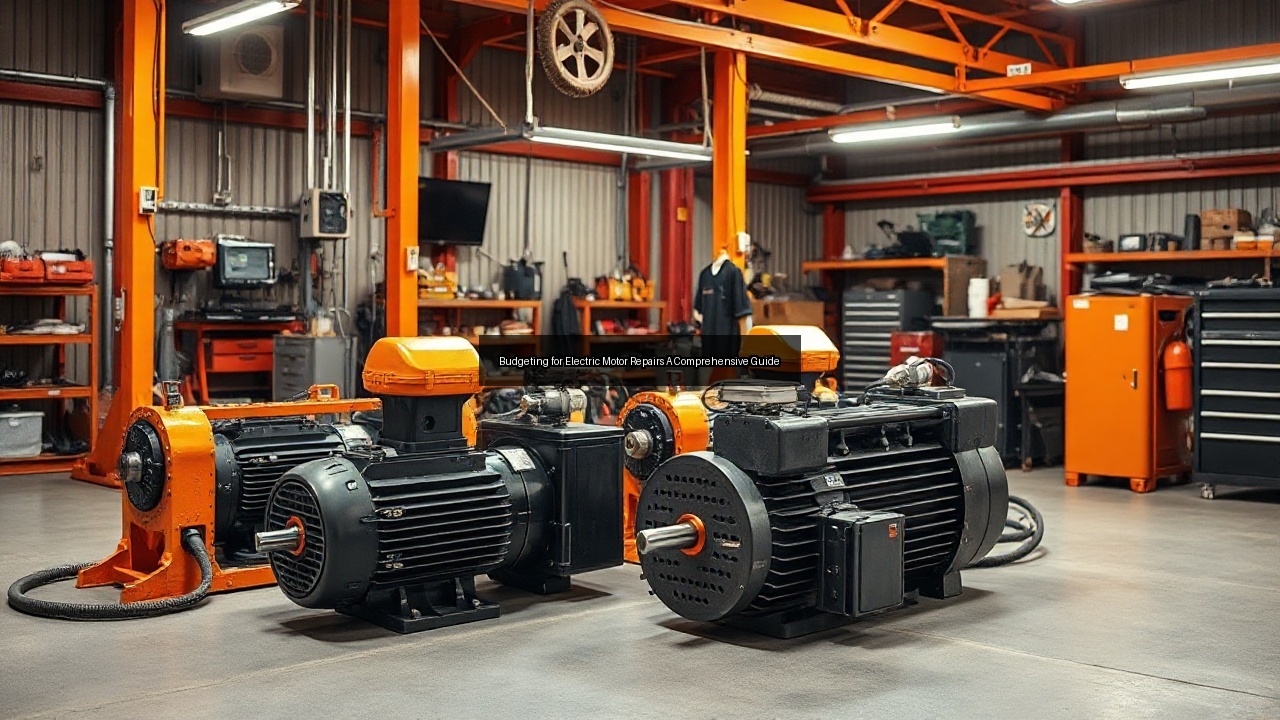
Understanding Electric Motor Repair Costs
Factors Influencing Repair Costs
Electric motor repair costs can vary significantly based on several critical factors. First, the type of motor plays a crucial role. Induction motors, synchronous motors, and specialized motors each have unique components and failure modes, impacting repair expenses. The extent of the damage also electric motor repair services dictates costs; minor issues like wiring faults typically require less investment than complete rotor or stator replacements. Labor rates in your region can further affect the overall price. Additionally, the availability of parts can create disparities in repair costs. If a motor requires specialized components, such as variable frequency drives (VFDs) or specific insulation materials, procurement delays may increase expenses. Understanding these factors helps in anticipating potential costs associated with electric motor repairs.
Common Types of Electric Motor Failures
Identifying common types of electric motor failures can assist in understanding repair needs and costs. One prevalent issue is insulation failure, often due to overheating or contamination. It typically requires thorough inspection and potential rewinding of the motor. Another frequent failure involves mechanical problems, such as bearing wear or rotor misalignment, which can lead to significant operational inefficiencies. Electrical failures, including voltage irregularities or winding shorts, also contribute to the need for repairs. Each type of failure can have different implications for repair costs, making it essential to diagnose the issue accurately to manage expenses effectively. Conducting regular maintenance can help prevent these failures, ultimately lowering the likelihood of expensive repairs.
Cost Breakdown: Parts and Labor
Breaking down electric motor repair costs into parts and labor provides clarity on financial expectations. Parts typically account for a significant portion of repair expenses. Components like the stator, rotor, and various electrical fittings can vary widely in price based on the motor type and manufacturer. Labor costs often depend on the complexity of the repair and the expertise required. Technicians with specialized skills may charge higher rates, reflecting their advanced knowledge of electric motor systems. Additional costs may arise from diagnostic services, particularly if advanced technologies like infrared sensors are used to identify underlying issues. Understanding this cost breakdown allows businesses to allocate budgets effectively for electric motor repairs.
Budgeting for Electric Motor Repairs
Creating a Maintenance Budget
Creating a maintenance budget for electric motor repairs involves a systematic approach to forecasting potential costs. Start by analyzing historical data on past repairs, including both frequency and cost. This information serves as a foundation for estimating future maintenance needs. Next, consider the age and condition of your motors. Older motors may require more frequent repairs, thus warranting a larger budget allocation. It's also beneficial to categorize expenses, segmenting routine maintenance from emergency repairs. This helps ensure that funds are readily available when unexpected failures occur. Regularly reviewing and adjusting the maintenance budget will position businesses to respond proactively to electrical motor repair needs.
Incorporating Predictive Maintenance
Incorporating predictive maintenance into your budgeting strategy significantly reduces electric motor repair costs. Predictive maintenance involves monitoring motor conditions in real-time using advanced sensors to detect early signs of wear and failure. This proactive approach allows for timely interventions before minor issues escalate into costly repairs. For example, vibration analysis and thermal imaging can reveal inefficiencies or impending mechanical failures. Allocating budget resources for implementing predictive maintenance technologies can save businesses substantial amounts in repair costs over time. By investing in tools and training for predictive maintenance, companies enhance operational efficiency and extend the lifespan of their electric motors.
Setting Aside Funds for Unexpected Repairs
Setting aside funds for unexpected electric motor repairs is crucial for maintaining operational continuity. No matter how thorough your maintenance strategy, unforeseen failures can occur. Establishing a contingency fund specifically for repairs ensures that necessary resources are available without disrupting regular operations. A common practice is to set aside a percentage of your overall maintenance budget—often between 10-20%—to cover these unexpected expenses. This financial cushion not only alleviates stress during emergencies but also allows for quicker response times, minimizing downtime. Planning for the unexpected empowers businesses to address electric motor issues promptly, preserving both efficiency and productivity.
Maximizing Efficiency and Minimizing Costs
The Role of Energy Efficiency in Repair Costs
Energy efficiency plays a vital role in minimizing electric motor repair costs. Motors that operate efficiently use less energy, leading to lower operating costs and reduced wear over time. Regularly maintaining energy-efficient motors enhances their lifespan and reduces the likelihood of failures. Upgrading to higher-efficiency models can also yield significant savings in energy consumption and maintenance costs. Furthermore, implementing energy-efficient practices can help identify potential issues early, allowing for timely repairs. Businesses that prioritize efficiency not only save on electric motor repair costs but also contribute to sustainability efforts by reducing overall energy consumption.
Utilizing Advanced Technologies: Sensors and Infrared
Utilizing advanced technologies like sensors and infrared imaging drastically enhances the ability to manage electric motor repair costs. Sensors can monitor various operational parameters, including temperature, vibration, and electrical performance. This real-time data allows for the early detection of anomalies, enabling preventive measures before major repairs are necessary. Infrared technology, on the other hand, identifies thermal patterns that indicate inefficiencies or mechanical failures. By integrating these technologies into regular maintenance practices, businesses can minimize repair costs, optimize motor performance, and extend the service life of their equipment. The initial investment in such technologies pays off through significant long-term savings.
Impact of Contamination on Repair Expenses
Contamination significantly impacts electric motor repair expenses. Dust, moisture, and chemical exposure can lead to insulation failures, corrosion, and mechanical issues, ultimately driving up repair costs. Regular inspection and maintenance routines are essential to mitigate contamination risks. Implementing protective measures such as filtration systems and proper sealing can prevent contaminants from damaging electric motors. Additionally, selecting motors designed to withstand harsh environments can reduce the frequency of repairs. By investing time and resources into maintaining clean operating conditions, businesses can effectively lower their electric motor repair costs, ensuring optimal performance and longevity.
Warranties and Repair Services
Understanding Warranty Coverage for Electric Motors
Understanding warranty coverage for electric motors is essential for managing repair costs effectively. Most manufacturers offer warranties that cover specific parts and repairs for a defined period. Knowing what is included in the warranty can help businesses avoid unexpected expenses. Typical coverage includes defects in materials and workmanship but may not cover wear and tear or damage caused by misuse. Review warranty details carefully to identify limitations or exclusions that may impact repair decisions. In some cases, purchasing extended warranties can provide additional peace of mind, especially for critical motors that are integral to operations. Being informed about warranty coverage informs budgeting strategies and protects against unforeseen repair costs.
Choosing the Right Motor Repair Services
Selecting the right motor repair services can significantly influence electric motor repair costs. Look for service providers with a solid reputation, specialized expertise, and a proven track record in electric motor repairs. Verify their qualifications and certifications, as well as customer reviews and testimonials. A reliable repair service should provide transparent pricing and detailed estimates before commencing work. Furthermore, consider the availability of on-site services, as this can reduce downtime during repairs. Ultimately, choosing a skilled repair provider can enhance the quality of repairs, leading to lower costs over time through improved motor performance and reduced failure rates.
Evaluating Repair vs. Replacement Costs
Evaluating repair versus replacement costs is a critical consideration in managing electric motor repair expenses. Sometimes, the cost of repairs can approach or exceed the price of a new motor, especially when significant components like the stator or rotor require replacement. Conduct a detailed cost analysis that factors in the age of the motor, its efficiency, and potential future repairs. In some cases, investing in a new, more energy-efficient motor can lead to long-term savings, even if the upfront cost is higher. Balancing immediate repair costs against long-term benefits is essential for making informed decisions that align with operational needs and budget constraints.